
A feature article in a May 2017 issue of The Economist opens its discussion of the Six Day War with a clever play on the Genesis narrative:
In the beginning they destroyed Egypt’s air force on the ground and knocked out the planes of Jordan, Iraq and Syria. That was Monday. Then they broke Egypt’s massive defences in Sinai. That was Tuesday. Next, they took the old city of Jerusalem and prayed. That was Wednesday.
The author, Anton La Guardia, ends the montage a few lines later: “And on the seventh day the soldiers of Israel rested.”
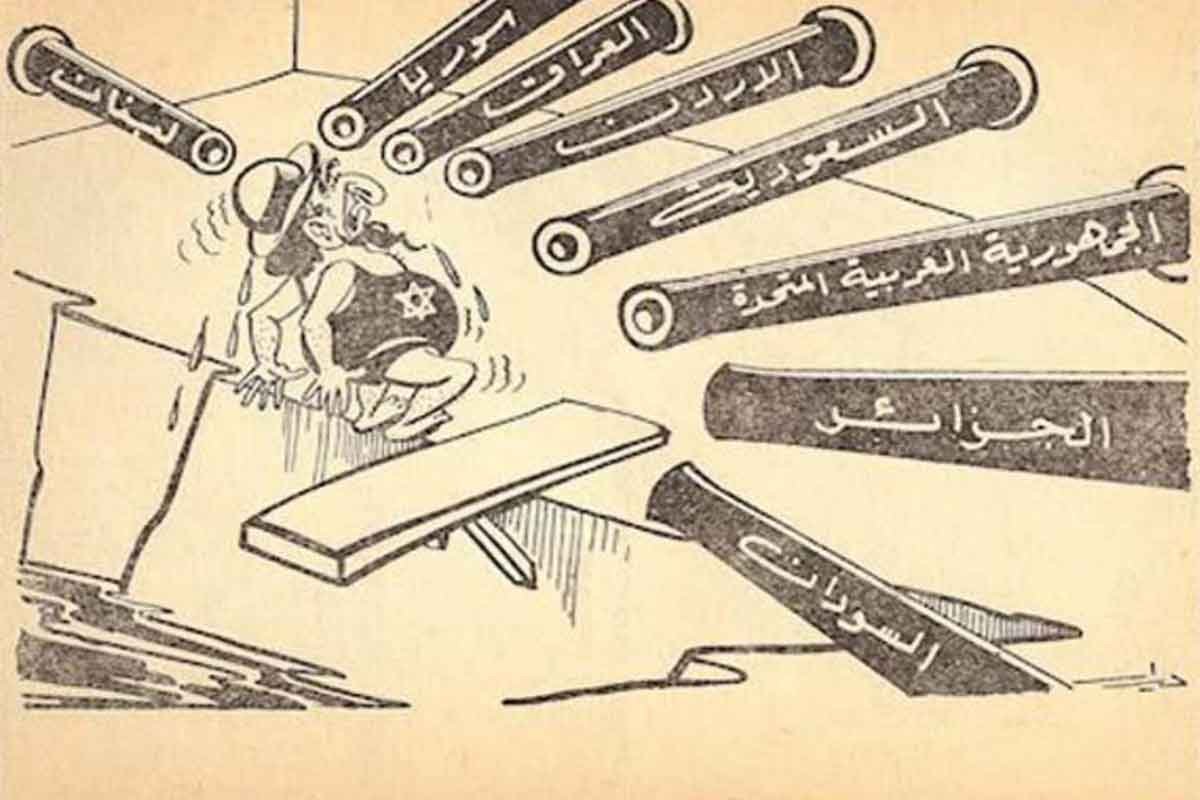
La Guardia’s historically-playful opening belies a complete indifference to actual history. Careful readers will note that he begins his story mid-sentence with no mention of the Arab aggression that preceded the war, even though it is only in the context of that aggression that the war could have happened or, in retrospect, can even make sense. To read La Guardia is to encounter Jews resolving ex nihilo to bomb other people’s planes and take other people’s cities for no other reason than to pray in Jerusalem. That the Six Day War was a response to an abiding and active Arab plan to destroy the young Jewish state goes entirely unstated.